Termite control
Protecting the structure from the thing you cannot see working
Inspection along the slab and ground line first, treatment second, and the documentation a mortgage or home sale needs.
Chapter 01
Blackland clay moves, and a slab hides what it is doing
The soil around Buda swells when it is wet and shrinks hard when it is not. That movement opens hairline paths along a slab edge and under expansion joints, which are exactly the routes termites want and exactly the routes you cannot see from standing height.
It is why the inspection starts low and slow, at the ground line, along the slab edge, at the joints and at every place where soil, mulch or a bed has been built up against the structure. Most of what matters on a termite call is found in the first eighteen inches above and below grade.
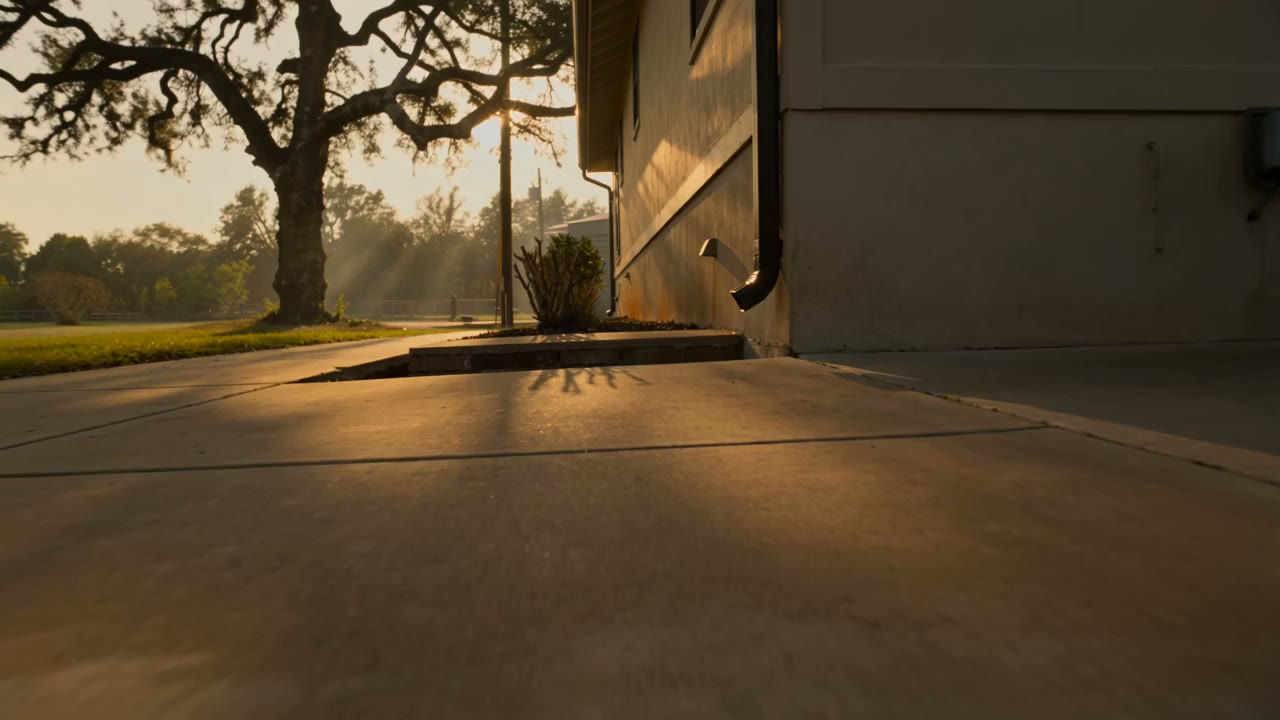
The slab edge and foundation line of a Central Texas home at first light
Inspect, then treat, in that order
Treating before you know the extent of the activity is how people pay twice. The inspection establishes where the activity is, how it is getting there and what it has already reached, and the treatment follows the map that produces.
You get told what was found and what the options are. Customers have been saying for years that Gye discusses solutions and offers options rather than opening with the most expensive one, and that is the sequence that makes it possible.
Chapter 03
The paperwork for a sale or a mortgage
If you are selling or refinancing, the inspection has a second job: producing documentation that a lender or a buyer will accept. That paperwork is part of the service.
Tell the office your closing date when you book. Scheduling the inspection with room to spare is the difference between a finding you can act on and a finding that holds up a close.
Austin Excel, Licensed and insured. Texas Department of Agriculture pest-control license TPCL #786979. Call (737) 201-3059.